Best Plants for a Shaded Front Porch
Build a shade-plant shortlist around actual porch light, local conditions, container needs, and the difference between seasonal and permanent displays.
Match the plant to the kind of shade you have
The best plants for a shaded porch are the ones suited to the actual light, temperature, and care available there. Shade is not a single growing condition. A bright open porch with little direct sun differs from a deep entrance beneath a roof and beside a solid wall. Begin by observing the location rather than buying a plant because its label includes the word shade.
Watch the porch at several times of day. Note direct morning or afternoon sun, reflected light, wind, and whether rain reaches the containers. A roof can keep a pot drier than the garden beyond, while a shaded corner can remain cool and damp. Those details affect the choice as much as the general orientation of the house.
The plant groups below are a shortlist for discussion with a reliable local nursery, not a universal planting prescription. Cultivars vary, and a plant grown as a summer annual in one region may be treated differently elsewhere. Check the exact plant label, local suitability, and any concerns around children or animals before bringing a plant into the entrance area.
Separate seasonal display from winter survival
Decide whether you want a warm-season container or a plant intended to remain for several years. That decision changes what to ask at the nursery. A summer display can be replaced or overwintered under suitable conditions, while a permanent container needs a realistic plan for the cold season, root space, and long-term care.
The USDA Plant Hardiness Zone Map describes average annual extreme minimum winter temperatures. It is useful for assessing perennial cold tolerance, but it does not tell you the light beneath a porch roof or every condition inside a container. Confirm local container overwintering guidance rather than assuming an in-ground hardiness label guarantees survival in an exposed pot.
Keep the decision manageable. It is better to maintain two containers well than to fill every corner with plants whose requirements are unclear. Ask for the mature dimensions and the expected seasonal appearance. A plant that looks compact on the sales bench may need more room than the porch can comfortably offer later.
Five plant groups to investigate
Begonias for suitable shaded displays
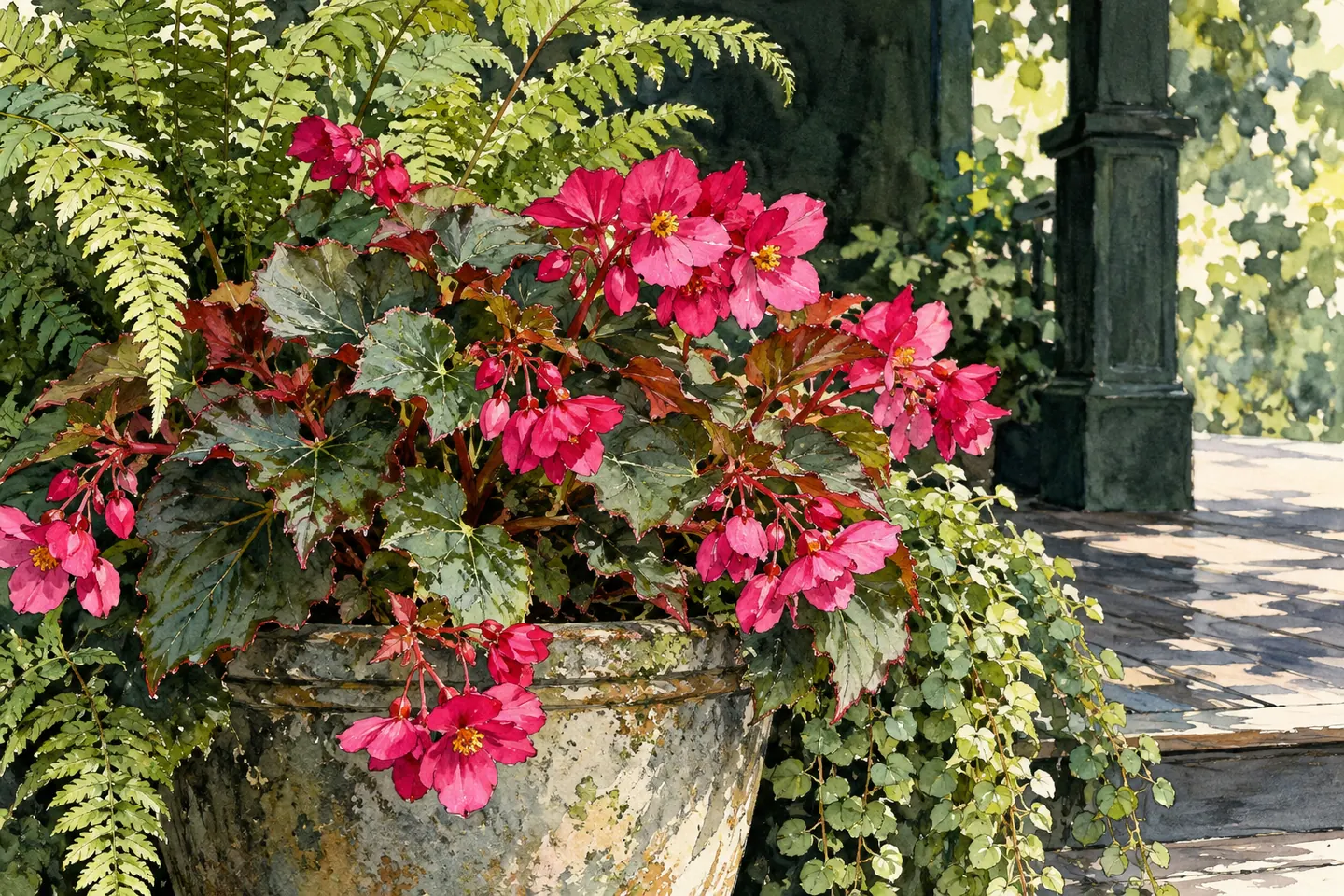
Begonias offer varied foliage and flowers, but the group includes plants with different preferences. The University of Minnesota's begonia guidance describes their general relationship to shade. Choose a specific type suitable for your conditions rather than assuming every begonia wants identical exposure or watering.
Ask how much direct sun the selected cultivar tolerates locally and how it should be handled when temperatures change. Position the container where leaves and stems will not be brushed repeatedly by people entering. Use its color as a deliberate accent rather than combining several unrelated flower colors simply because the pots are small.
Ferns where moisture and exposure can be managed
Fern foliage can give a shaded entrance a soft, layered appearance, but fern species vary considerably. A lush hanging basket may require more frequent attention than you expect, particularly under a roof where rain does not reach it. Identify the plant and ask about its actual needs instead of using the general word fern as a care plan.
Consider the shape and mature spread. Fronds should not intrude into the doorway or become caught against a railing. A floor container may be more convenient to water than a hanging one, depending on access. Hanging supports also require appropriate installation and must suit the weight and use; they are not simply a styling detail.
Heuchera for foliage-led combinations
Heuchera, often called coral bells, can be worth considering for foliage color in suitable conditions. Cultivar preferences and local exposure matter, so ask which selection fits the available light and climate. The appeal is often the leaf color and shape rather than a continuous floral display, making it useful in a restrained container arrangement.
Check the expected size and the plan for keeping it in a container. Do not assume that a perennial label means the pot can be left unchanged indefinitely. Root space, drainage, and winter conditions still need attention. Pair foliage colors with the entrance materials while keeping the plant's growing requirements ahead of the decorative scheme.
Hostas where the site and care fit
Hostas can provide bold leaf shapes in suitable shaded settings, but they are not a maintenance-free answer to every porch. Confirm the cultivar size, local suitability, and likely pest issues with a reliable regional source. A small nursery plant can become a substantial presence, so plan around its mature spread rather than the current pot.
Think about the seasonal gap if foliage dies back in your climate. The entrance should still feel orderly when the plant is not providing the same effect. A container's shape and position can help maintain that structure. Avoid expecting a deciduous plant to function as an unchanged year-round decorative object.
Shade-suited seasonal flowers
Depending on the region and exact exposure, plants such as suitable impatiens or wishbone flower may be options for seasonal color. Iowa State Extension lists annuals for shady areas, providing a useful starting point. Confirm which choices are appropriate locally, including disease concerns and the conditions under the porch roof.
Choose the floral effect you actually want: a small accent near the door or a larger seasonal container farther from the route. Group plants with compatible care requirements rather than combining them solely by color. A simple planting is easier to understand, observe, and adjust if one condition is not working.
Compare options by care, not just appearance
| Plant direction | Useful design role | Ask before purchase |
|---|---|---|
| Begonia selection | Seasonal flowers or foliage | Exact cultivar, exposure, temperature needs |
| Identified fern | Fine texture and a softer outline | Moisture routine, mature spread, winter plan |
| Heuchera selection | Leaf color and lower planting | Local suitability, container care, cultivar size |
| Hosta selection | Bold leaves and seasonal structure | Mature width, pests, dormant appearance |
| Shade-suited annual | Focused seasonal color | Local recommendations and compatible companions |
Treat this table as a conversation guide, not a guarantee of performance. Ask the nursery to connect the recommendation to the light observations you made. A useful answer will identify the actual plant and explain why its needs match the porch. Avoid purchasing a substitute on the assumption that similar-looking foliage requires the same conditions.
Set up the container so the plant can succeed
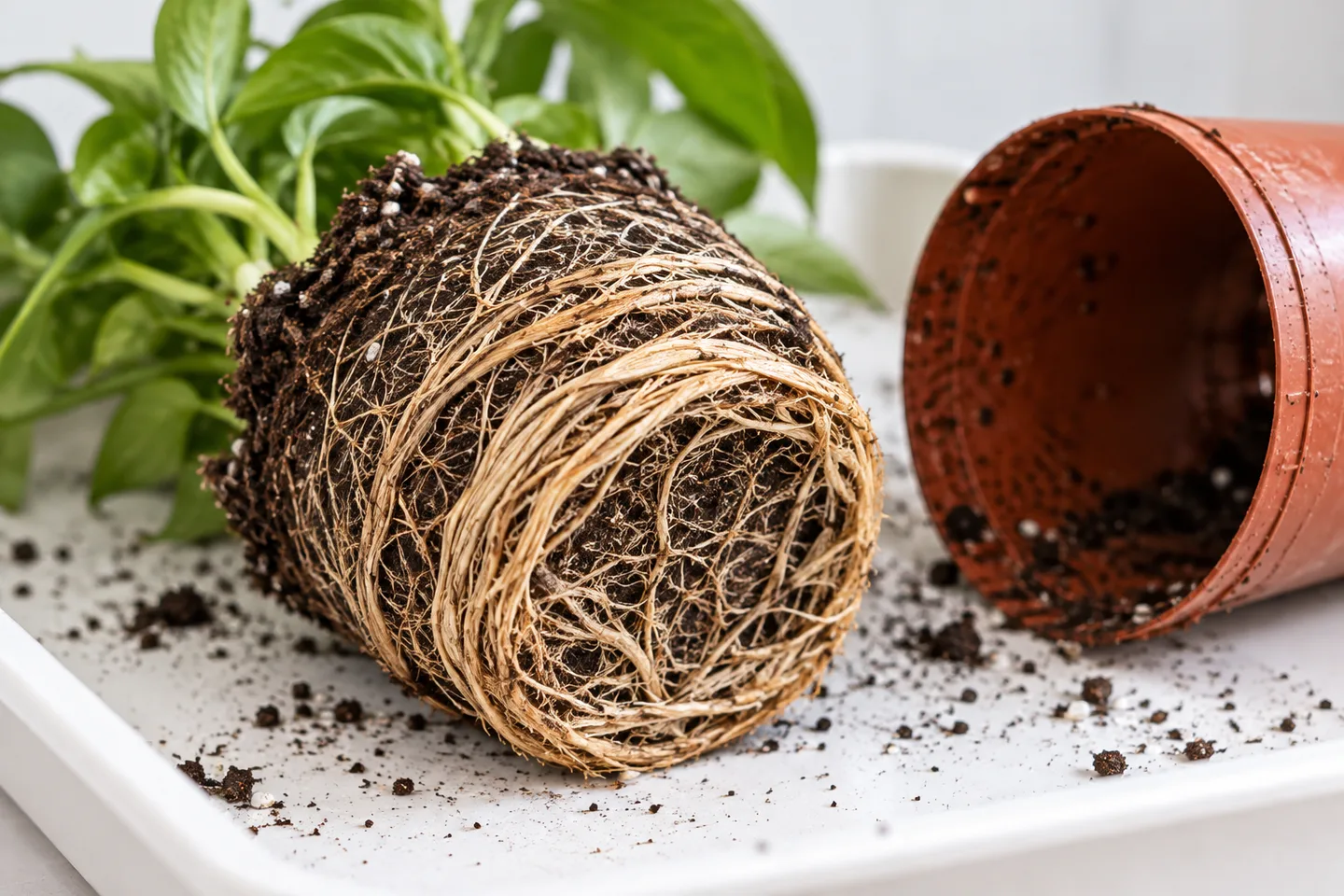
Choose a pot with appropriate drainage and enough root space for the selected plant. Use growing medium suited to the plant and container rather than automatically filling the pot with garden soil. Place it where water can leave without making the entrance slippery or damaging a surface. Check that the pot remains stable as the plant grows.
Observe moisture rather than assuming shade removes the need to water. A porch roof can exclude rain, while cool conditions can also slow drying. Follow guidance for the actual plant and medium. Watering on a rigid calendar without checking the pot can miss both situations. Keep the care routine simple enough that you will perform it consistently.
Use specific plant profiles to refine the shortlist
Once the broad direction is clear, compare identified selections rather than choosing by leaf color alone. The RHS heuchera growing guide describes the group's value in suitable light shade, while University of Minnesota guidance on hostas helps explain why cultivar and site still matter. Use these references as starting points for a local discussion, not as a claim that every porch in every region has the same conditions.
Ask the nursery to name the proposed plant and explain its mature width, seasonal appearance, and container needs. For example, a selection intended mainly for bold foliage may require a different visual expectation from a flower-led annual. Decide which role you want before combining both in one pot.
Record what the plant is expected to do during the quieter season. A porch can remain attractive with a seasonal change, but it is easier to plan when dormancy or winter relocation is anticipated. That small amount of research prevents a plant from being judged a failure merely because its normal seasonal behavior differs from the original photograph.
Questions about shaded porch planting
Can a plant survive on a porch with almost no natural light?
Some deeply enclosed entrances may not offer enough light for the display you want. Describe the actual conditions to a reliable local source before buying. Moving the container nearer the open edge may help in some settings, but a decorative preference cannot replace the light a living plant requires.
Will rain water a pot under the porch roof?
Do not assume so. Check the container after rain and observe where roof cover keeps the surface dry. Wind-driven rain may reach it inconsistently. Base the watering routine on the plant, medium, and actual moisture rather than the weather in the garden alone.
Can I keep the same arrangement all year?
Only with plants and containers suited to the local conditions and a realistic seasonal plan. Cold tolerance in a pot needs particular attention. Continue with container setup, porch plant arrangement, and container troubleshooting before deciding how permanent the display should be.