Common Container Gardening Mistakes and How to Fix Them
Investigate common container problems through plant identity, moisture, drainage, root space, and recent changes before reaching for treatment.
Read the pot before reaching for a treatment
Container gardening mistakes often begin with a reasonable shortcut: watering every pot on the same day, choosing a decorative container without checking drainage, or buying several plants before observing the patio. When a plant struggles, another shortcut can follow: adding fertilizer or watering more without identifying what changed. Start diagnosis with the plant, the pot, and the actual conditions.
Identify the plant and note when the symptoms appeared. Check moisture, drainage, exposure, and recent changes in position or care. Look at the whole plant rather than one leaf in isolation. A yellow leaf, droop, or slow growth can have more than one explanation, so treat these as observations rather than automatic proof of a particular cause.
This guide describes common situations and sensible checks. It cannot identify every pest, disease, or physiological problem from a general description. Where the cause is unclear, seek advice from a local extension service or another reliable source with clear photographs, the plant name, and a description of the growing conditions.
Mistake one: assuming a decorative pot drains
A container can look like a plant pot while functioning only as a decorative outer shell. If water collects around a nursery pot inside it, roots may remain in conditions you did not intend. Inspect both the inner and outer container. Understand where excess water goes before changing the watering schedule.
If the arrangement lacks a suitable outlet, choose an appropriate draining container or manage the outer pot correctly. Do not drill an unknown material without considering the product and safe method. Some containers can crack or become unsuitable. A replacement may be the more practical option than trying to convert a vessel never intended for planting.
Keep drainage separate from drainage location. Water leaving the pot should not create a slippery route or damage the surface beneath it. The garden arrangement has to work for the patio as well as the roots. Review any saucer or outer pot after watering instead of assuming that collected water can remain indefinitely.
Mistake two: watering by the calendar alone
Pots dry at different rates. Light, wind, temperature, plant size, medium, and container material all affect the routine. Two containers beside one another may not need identical attention. Check the medium and plant-specific guidance rather than treating the garden as one uniform watering task.
If a plant looks wilted, inspect before adding water. A drooping appearance does not establish that the pot is dry. Note the moisture condition, drainage, recent weather, and root situation if appropriate. Repeatedly adding water to an already wet pot can make a mistaken diagnosis harder to correct.
The University of Maryland's container guidance offers useful context for managing container water and collected drainage. Apply advice to the actual plant and setup. The goal is a routine based on observation, not a rigid instruction copied from a different climate or pot size.
Mistake three: using an unsuitable growing medium
Garden soil placed in a container may not behave the way you expect in a confined pot. Choose a medium intended for the container and plant. Read what is included before adding fertilizer or other amendments. A bag marketed for a different application should not be treated as interchangeable solely because it also contains soil-related materials.
Avoid building layers of unrelated material as a general drainage cure. University of Wisconsin's container-growing guidance notes the problem with layering materials in the pot. Correct the medium and drainage arrangement rather than assuming a gravel layer beneath unsuitable fill will solve the system.
When repotting, follow handling guidance for the plant. Do not bury stems or crowns to make the surface appear neat. Leave practical room for watering at the top. If the old medium or root system suggests a more complicated problem, obtain appropriate advice rather than simply packing everything into a larger decorative vessel.
Mistake four: buying for the current size
A nursery plant is not a final-size ornament. Check mature dimensions and the root space expected for container culture. A planting that looks full immediately may become crowded quickly. This is particularly important when several plants are combined because their individual growth will affect the same limited medium and light.
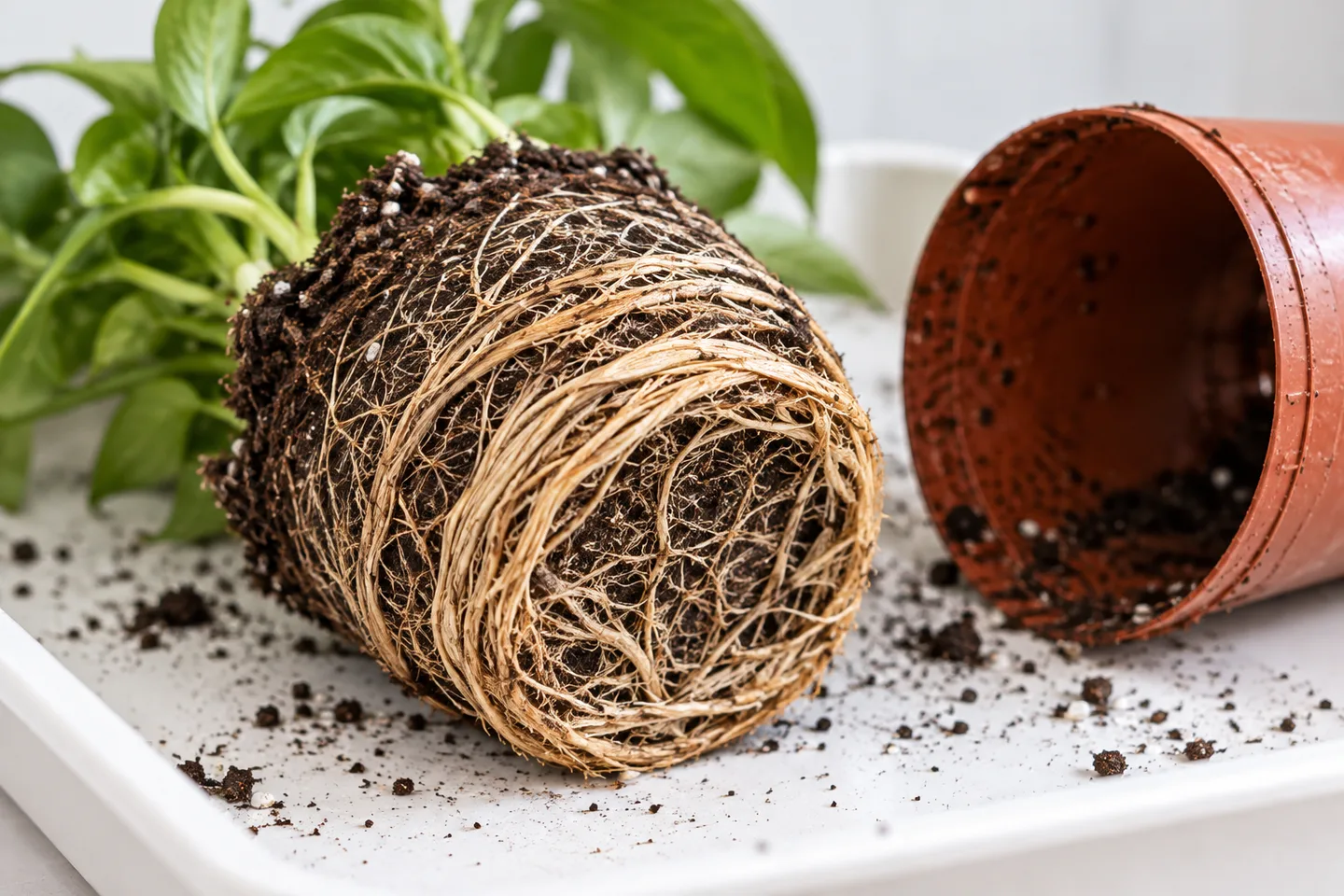
A plant that appears root-bound needs assessment rather than an automatic leap to the largest pot available. Follow species-appropriate guidance on repotting and root handling. The new container should suit the plant and the intended medium. Oversizing without a reason can create a different set of watering and management difficulties.
Think about access as the plant grows. Trailing stems may reach the route, and large leaves may make a pot difficult to water from its original position. Adjust placement or plant choice before the arrangement becomes a daily obstacle. Good container planning anticipates growth instead of treating it as an unexpected complication.
Mistake five: combining incompatible needs
A visually attractive combination can fail when the plants require different light or moisture conditions. Select compatible growing needs first, then work with color, height, and texture. The familiar idea of a tall center, a fuller middle, and trailing edges is only a composition method; it does not guarantee horticultural compatibility.
For a beginner, one well-chosen plant type in a suitable pot can be easier to understand than a complicated mixture. You can create variety between containers instead. If one selection requires a change in care, it is simpler to adjust its own pot than to compromise the needs of several different plants sharing the same medium.
Mistake six: confusing hardiness with complete suitability
A plant's general cold tolerance does not answer every question about an outdoor container. Roots in a pot experience a different setting from roots in the ground, and winter moisture, exposure, and the container itself matter. Seek local advice about the exact plant and planned overwintering arrangement.
Do not use a climate-zone label to decide whether a plant will grow beneath a dark porch roof. Light, temperature, and moisture are separate parts of the choice. Likewise, a plant sold as an annual in one region should not automatically be treated the same way elsewhere. Match the description to the location rather than relying on a single marketing term.
A practical troubleshooting sequence
| Observation | Check first | Avoid assuming |
|---|---|---|
| Wilting | Actual moisture, drainage, exposure | That every drooping plant needs more water |
| Yellowing | Plant identity, pattern, recent changes | That fertilizer is always the answer |
| Water runs out immediately | Medium condition and root space | That drainage alone proves even wetting |
| Persistent wetness | Outlet, outer pot, medium and routine | That the plant simply needs stronger light |
| Crowded growth | Mature size and compatible companions | That pruning can correct every mismatch |
Make one justified change at a time where possible. If you move the pot, change the medium, increase fertilizer, and alter watering simultaneously, it becomes difficult to understand which action helped or harmed. Record the change and observe the response over an appropriate period for the plant rather than expecting an immediate cosmetic recovery.
Make an advice request that can be answered
When asking for help, include the plant's name, how long you have had it, the container's drainage arrangement, and a description of the light. Explain whether the symptom appeared suddenly or developed over time. Mention recent repotting, feeding, a move to another position, or a change in watering. These details help distinguish a care mismatch from a problem requiring closer investigation.
Photograph the whole plant, the affected area, the pot, and the surrounding location. Do not remove every damaged leaf before recording the pattern if you need help understanding it. A clear view of where symptoms occur can be more informative than a tightly cropped image of one isolated mark.
While waiting for advice, avoid adding several unconfirmed treatments. Continue appropriate basic care and keep the observation record current. A reliable recommendation should connect the proposed action to the identified plant and evidence. Ask for that explanation if the advice is simply to feed more or water less without considering the actual setup.
Questions about fixing container problems
Should I fertilize a struggling plant immediately?
No automatic treatment fits every symptom. Identify the plant and assess moisture, drainage, light, root space, and recent changes first. Read the product and plant guidance before feeding. An environmental problem is not resolved merely by adding nutrients.
Can a larger pot solve most problems?
A suitable container can help when root space is the issue, but it will not correct the wrong light, incompatible companions, or an unsuitable watering routine by itself. Choose the next pot for the plant's needs rather than assuming bigger always means healthier.
When should I ask for local advice?
Ask when symptoms persist, the cause is uncertain, or a pest or disease is suspected. Bring clear observations and plant identification. For preventive planning, read starting a patio container garden, choosing manageable plants, and arranging porch containers.