How to Maintain a Wooden Porch Throughout the Year
Organize wooden porch care through seasonal observation, compatible cleaning, moisture management, and timely professional assessment.
Organize care around condition and exposure
Wooden porch maintenance is a cycle of observation, appropriate cleaning, and timely attention to changes. It is not simply an annual instruction to apply another coat of finish. The type of wood, existing coating, construction, exposure, and local climate all influence the routine. Begin by identifying what you have and collecting any available product or installation information.
Look at the porch as a complete entrance. Boards, steps, rails, posts, joints, drainage, and nearby planting interact with the surface you walk on. Routine care should make it easier to notice concerns, not hide them beneath rugs or containers. A decorative refresh is a separate task from addressing looseness, deterioration, or uncertain structural conditions.
This guide provides a seasonal framework rather than a repair specification. Structural assessment, significant deterioration, electrical concerns, and work beyond your skills need qualified professional attention. The timing of cleaning or coating must follow the actual product instructions and conditions, not a calendar date copied from another region.
Keep a small record of the porch
Note the wood and finish if known, along with the dates and products used for meaningful maintenance. Keep photographs of recurring marks, problem areas, or changes for comparison. A simple record can prevent incompatible treatments and make a contractor conversation more useful when the porch needs specialist attention.
If the existing coating is unknown, avoid assuming that a new product can be applied over it. Preparation, compatibility, and removal can change the scope of the job substantially. Old coatings may also require appropriate assessment before disturbance. Ask the relevant manufacturer or a qualified professional rather than experimenting on a large visible area.
Separate observations from conclusions. A dark area is something to inspect, not automatic proof of one particular defect. A loose component is a reason to stop using the affected area as appropriate and arrange assessment, not an invitation to cover it with a mat. Recording what you see accurately is more valuable than assigning a confident diagnosis without evidence.

Spring: clear, observe, and plan
When conditions allow, remove accumulated loose debris and inspect accessible areas without taking unsafe risks. Pay attention to corners beneath furniture, spaces around containers, and the route water takes after rain. Use tools and methods suitable for the wood and its finish. Avoid scraping or aggressive washing simply because winter has left the surface looking tired.
Check whether furniture feet, mats, or pot arrangements have held moisture against the surface. Read the relevant product guidance before putting them back. A small adjustment to placement may improve drying and make future inspection easier. Keep enough access to sweep and observe rather than covering every section of the porch permanently.
Make a list with two categories: routine care you can perform appropriately, and concerns needing assessment. This prevents a long decorating list from pushing an important repair question into the background. Get professional advice about questionable boards, railings, posts, or connections before using cosmetics to make the porch appear finished.
Summer: maintain the arrangement, not just the finish
Warm-weather use can introduce spills, shifted furniture, and more frequent plant watering. Remove debris and deal with spills using the approved care method for the surface. Check whether a newly arranged pot sends water across the walking route or leaves a persistently damp patch. The maintenance routine should follow changes in how the porch is used.
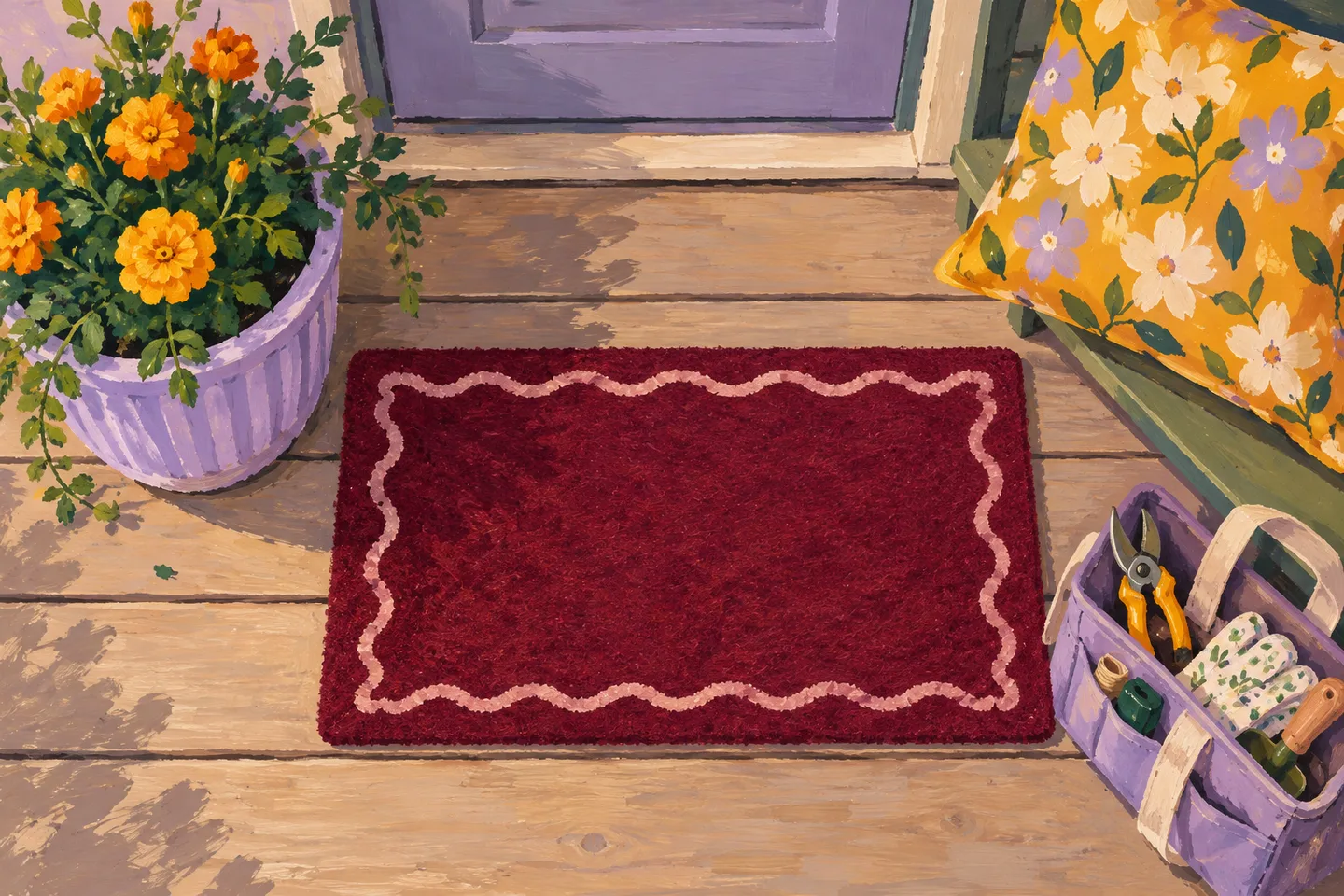
Review mats and textiles after wet weather. A flat, compatible mat can be useful, but products differ in backing and moisture behavior. Do not assume that a rug described for outdoor use is suitable for every wooden surface. Follow both the rug and finish guidance, and lift or move items as needed for inspection and appropriate drying.
If coating work is planned, use the weather and surface conditions specified by the product. Do not apply a finish merely because a weekend is free. Preparation, moisture condition, temperature, and drying time are part of the system. For example, Thompson's WaterSeal deck-care guidance illustrates the need to match preparation with the existing coating; other products may specify different procedures.
Fall: reduce avoidable moisture traps
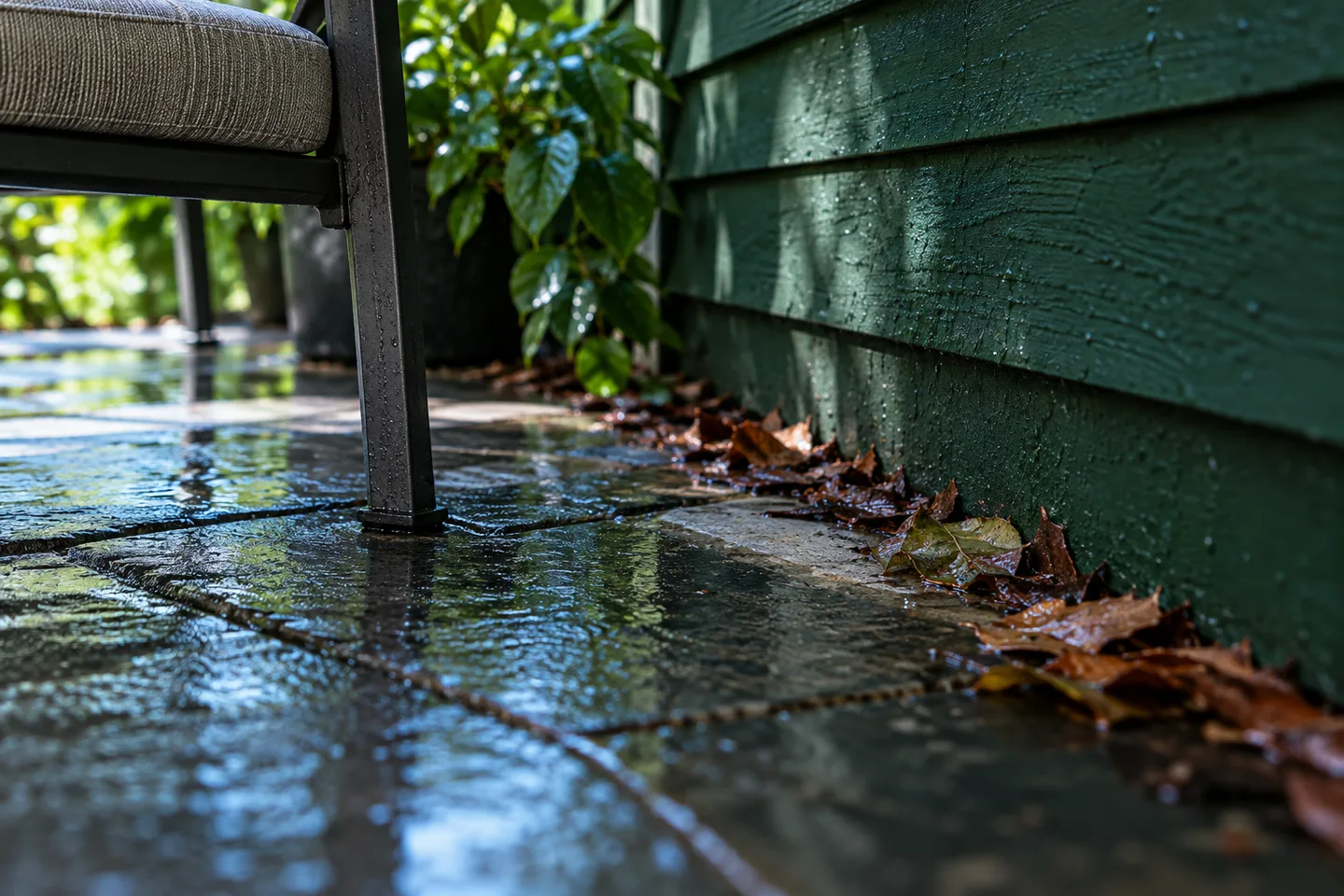
Fallen leaves and organic debris can collect around containers, behind furniture, and near steps. Keep the porch accessible for appropriate cleaning. Look at the route water takes during rain and note recurring wet areas. A persistent drainage concern is not solved by sweeping alone; have the underlying cause assessed where necessary.
Decide what remains outdoors through the quieter season. Clean and dry furniture or textiles according to their instructions before storage. Do not pack damp cushions into a closed box against the house. Keep the entrance usable and avoid creating a storage arrangement that obstructs inspection or the normal walking route.
Move seasonal decorations before they become weathered obstacles. Check that nothing hides lighting, house numbers, or door hardware. A simple seasonal display can coexist with maintenance when it is easy to remove and does not hold moisture against the porch. Choose decorations with the next cleaning session in mind, not only their first appearance.
Winter: preserve safe access and observe changes
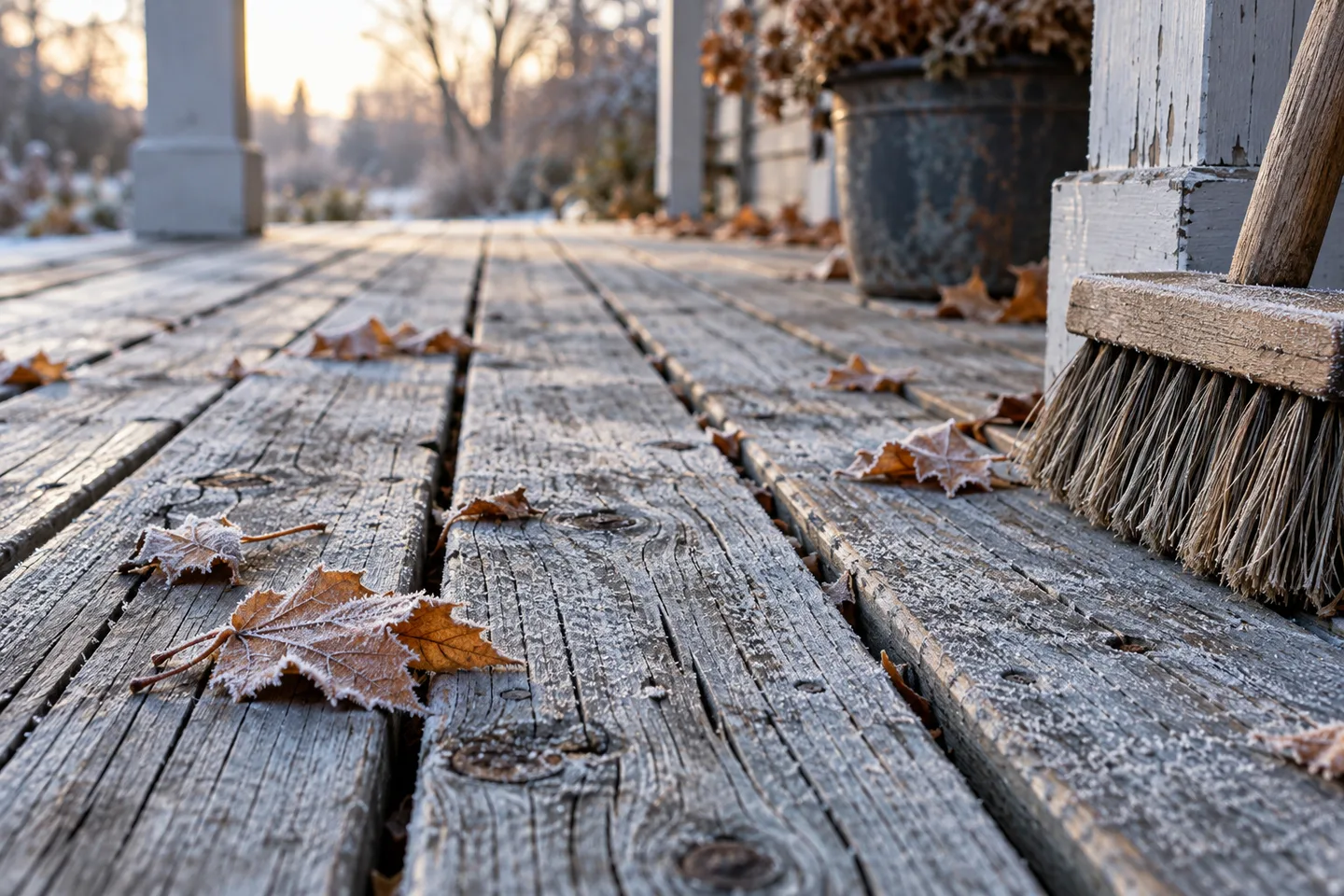
Follow appropriate local and product guidance for snow, ice, and any treatment used on the surface. Do not assume a deicing product is compatible with the wood, coating, metal components, or nearby planting. Use tools and methods that suit the porch and your ability to work safely in the conditions.
Keep necessary access clear without treating the porch as a place to store everything removed from the yard. Check that the door can operate normally and the route remains understandable. If conditions make inspection or cleaning unsafe, postpone nonessential work and arrange appropriate help for urgent concerns.
Observe changes after significant weather without taking unnecessary risks. Note new movement, damaged components, or water appearing where it did not before. Bring those observations to a qualified professional when warranted. Seasonal care is partly about recognizing when an issue no longer belongs to ordinary housekeeping.
Use a repeatable condition check
| Area | Routine observation | When to seek help |
|---|---|---|
| Walking surface | Debris, changed texture, recurring wetness | Questionable strength or significant deterioration |
| Steps and rails | Visible damage or movement noticed during normal use | Any uncertain stability or safety concern |
| Finish | Peeling, patchiness, known product history | Unknown coating or incompatible-treatment questions |
| Containers and mats | Trapped moisture, access for cleaning | Damage continuing after placement changes |
| Water path | Repeated pooling or runoff toward the entrance | Drainage or building-detail concerns |
Use the table to organize observations, not to certify the porch as safe. A visual check by a homeowner is not a structural inspection. If something feels unstable or shows significant deterioration, restrict use as appropriate and seek qualified assessment rather than assuming that no visible crack means no problem.
Questions about year-round wood care
Should I seal the porch every year?
There is no universal annual rule for every wood and finish. Follow the identified product system, inspect the actual condition, and obtain advice when the coating history is uncertain. Applying another treatment without suitable preparation or compatibility can create a new problem.
Is pressure washing the quickest safe approach?
Speed does not establish suitability. Equipment and technique can affect wood and coatings, so follow the actual material and product guidance. Use an appropriate professional when uncertain. Do not treat a heavily weathered appearance as permission for increasingly aggressive cleaning.
Can a rug protect a damaged area temporarily?
A rug does not repair damage and can hide a condition that needs attention. Assess the problem before covering it, and use the porch only as appropriate to its condition. For routine coordination, see moisture prevention, weekend upgrades, and furniture care.
Prepare a useful contractor brief when routine care is not enough
If the porch needs assessment, describe what you have noticed rather than assigning a diagnosis. Include the location of movement, recurring wetness, damaged components, or a changing finish, and explain when the concern first appeared. Provide known product information and photographs taken safely. A contractor can then connect the observations to an appropriate inspection instead of beginning with an unsupported assumption about the cause.
Ask which work is necessary for safe use, which work addresses water or material conditions, and which work is cosmetic. Separating those categories helps you plan the sequence and avoid spending first on a finish that will be disturbed by more important repairs. Obtain a clear explanation of the proposed scope and any limitations of the assessment.
For coating work, confirm the intended preparation and product system in writing. Keep the care guidance afterward so future maintenance remains compatible with the new finish. If several household members handle cleaning, make that information easy to find rather than relying on one person's memory.
Finally, update the porch arrangement after the work. A recurring moisture trap or blocked inspection area should not simply be recreated because it was part of the earlier styling. Maintenance becomes more manageable when repairs, routine care, and the way the porch is furnished support one another.
Make the next action specific
At the end of each seasonal review, choose a small number of clear actions and record what was done. That might be moving a container, checking a product instruction, or arranging professional assessment. A consistent record and a workable arrangement make ongoing maintenance easier than repeatedly planning a complete porch restoration without addressing the recurring causes.